Truck Pallet Jack The Smart Solution for Efficient Material Handling
Truck Pallet Jack The Smart Solution for Efficient Material Handling

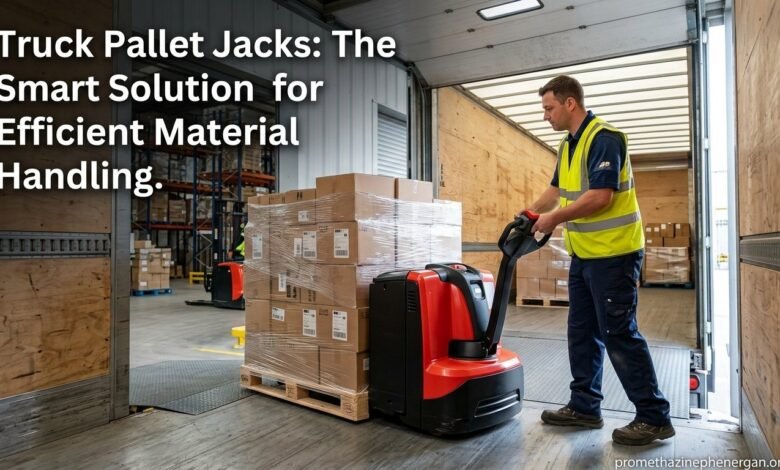
If you’re involved in logistics, warehousing, or retail distribution, you already know that moving heavy loads efficiently is critical. A truck pallet jack is one of the simplest yet most powerful tools to streamline operations, especially when loading and unloading goods from trucks.
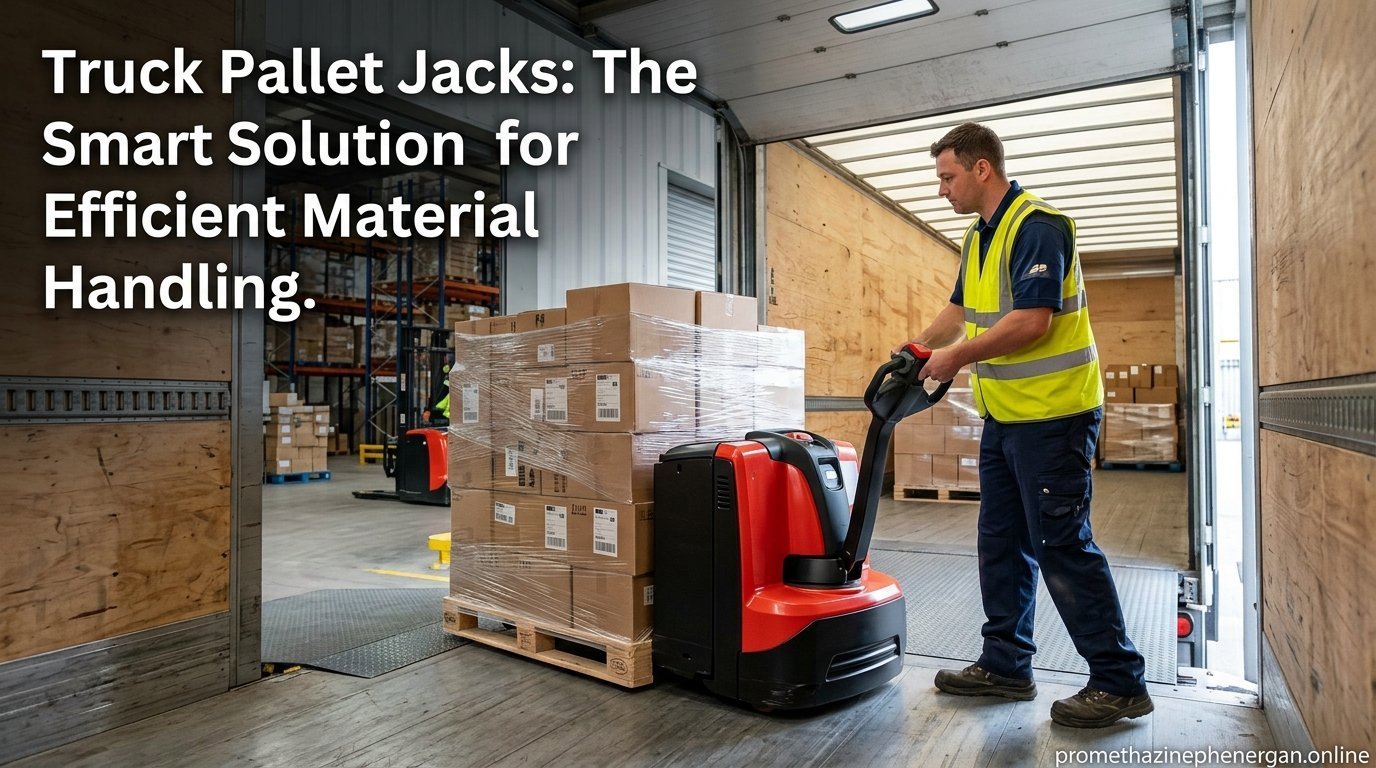
This article explains everything you need to know—from how truck pallet jacks work to how to choose the right one, along with practical tips to maximize productivity while keeping costs low.
What Is a Truck Pallet Jack?
A truck pallet jack is a specialized material handling tool designed to lift and move palletized goods, particularly in tight spaces like delivery trucks and loading docks. It functions similarly to a standard pallet jack but is often optimized for mobility, durability, and ease of use in transport environments.
Key Features:
- Compact design for confined truck spaces
- Heavy-duty wheels for smooth movement
- Hydraulic lifting system
- Ergonomic handle for easy control
Why Truck Pallet Jacks Are Essential
Efficient logistics is not just about speed—it’s about reducing costs and improving safety. Here’s why investing in a truck pallet jack makes sense:
1. Increased Loading Efficiency
Manual loading takes time and effort. A pallet jack significantly speeds up the process, allowing workers to move heavy pallets quickly.
2. Reduced Labor Costs
By minimizing manual lifting, fewer workers are required to handle the same workload.
3. Improved Workplace Safety
Heavy lifting is one of the main causes of workplace injuries. Using proper equipment reduces risks and enhances safety compliance.
4. Versatility Across Industries
Truck pallet jacks are widely used in:
- Warehousing
- Retail distribution
- Manufacturing
- Freight and logistics
Types of Truck Pallet Jacks
Understanding the different types helps you choose the right tool for your needs.
Manual Pallet Jacks
These are the most common and cost-effective options.
Best for:
- Small to medium operations
- Low-frequency use
Electric Pallet Jacks
Powered by batteries, these reduce physical effort and improve efficiency.
Best for:
- High-volume operations
- Frequent loading/unloading
Rough Terrain Pallet Jacks
Designed for outdoor use and uneven surfaces.
Best for:
- Construction sites
- Agricultural environments
How to Choose the Right Truck Pallet Jack
Choosing the right equipment isn’t just about price—it’s about long-term value.
1. Load Capacity
Check the maximum weight the jack can handle. Standard models support around 2,000–5,500 lbs.
2. Fork Size
Ensure the forks fit your pallet dimensions. This is crucial for stability.
3. Material Quality
Look for steel construction and durable wheels to ensure longevity.
4. Ease of Maintenance
Low-maintenance models reduce downtime and repair costs.
5. Budget vs ROI
While electric pallet jacks cost more upfront, they often deliver better ROI through efficiency gains.
Best Practices for Using a Truck Pallet Jack
Even the best equipment won’t perform well if used incorrectly.
Follow These Tips:
- Always inspect the jack before use
- Distribute weight evenly on the pallet
- Avoid overloading
- Use smooth and controlled movements
- Store the jack in a dry, safe location
Common Mistakes to Avoid
Many businesses lose efficiency due to simple errors:
- Using the wrong type of pallet jack
- Ignoring regular maintenance
- Overloading beyond capacity
- Poor operator training
Avoiding these mistakes can save both time and money.
Maintenance Tips for Long-Term Performance
Keeping your pallet jack in top condition ensures consistent performance.
Routine Maintenance Checklist:
- Lubricate moving parts regularly
- Check hydraulic fluid levels
- Inspect wheels for wear and tear
- Tighten loose bolts
- Clean after heavy use
A well-maintained pallet jack can last for years without major issues.
Cost Breakdown: What to Expect
Understanding pricing helps you make informed decisions.
Average Costs:
- Manual pallet jack: $150 – $500
- Electric pallet jack: $1,500 – $5,000+
- Maintenance costs: Low to moderate annually
While the upfront investment may vary, the efficiency gains often outweigh the cost.
How Truck Pallet Jacks Improve ROI
Investing in the right logistics equipment can directly impact your bottom line.
Key ROI Benefits:
- Faster turnaround times
- Reduced labor expenses
- Lower injury-related costs
- Improved workflow efficiency
For growing businesses, this can make a significant difference in scalability.
External Resources for Further Learning
To deepen your understanding of material handling equipment, consider these helpful resources:
- OSHA Guidelines on Material Handling
- Supply Chain Management Basics
- Warehouse Optimization Strategies
A truck pallet jack is more than just a tool—it’s a critical asset for efficient logistics operations. Whether you run a small warehouse or manage a large distribution network, choosing the right pallet jack can significantly improve productivity, safety, and profitability.
By understanding your needs, selecting the right type, and maintaining it properly, you can maximize your return on investment and streamline your workflow.
If you’re considering upgrading your equipment, now is the perfect time to evaluate your options and invest in smarter material handling solutions.
FAQ:
1. What is the difference between a pallet jack and a forklift?
A pallet jack is used for moving pallets over short distances, while a forklift can lift pallets to higher levels and handle heavier loads.
2. Are electric pallet jacks worth the investment?
Yes, especially for high-volume operations. They reduce labor effort and increase efficiency, leading to better long-term ROI.
3. How much weight can a truck pallet jack handle?
Most standard pallet jacks handle between 2,000 and 5,500 lbs, depending on the model.
4. Can pallet jacks be used outdoors?
Yes, but for rough terrain, specialized models with durable wheels are recommended.
5. How often should I maintain my pallet jack?
Basic maintenance should be performed monthly, with more thorough inspections every 6–12 months.
